


Medication administration training prepares you to handle medication-related duties within the limits of your role and under the supervision required in your work setting. In Maryland, the 20-hour Certified Medication Technician (CMT) program prepares eligible employees in approved community-based settings for delegated medication responsibilities.

A CMT does not work independently. After completing approved training and becoming certified, you administer medications through delegation and under the supervision of a registered nurse. The course helps you understand the procedures, documentation, communication, and role boundaries connected to that responsibility.
At Above The Rest Home Care, we offer training for people building practical skills for care-related work. If medication administration is part of the role you are preparing for, you can review our medication technician and caregiver courses to learn more about the CMT program and related training available in Maryland.
What Does Maryland’s 20-Hour CMT Program Include?
Maryland’s CMT program includes 20 classroom hours, core medication content, instruction related to your work setting, simulated medication practice, and separate clinical observation.
The classroom portion is divided into two main areas. The first covers core information that applies across approved practice settings. The second addresses responsibilities, medication concerns, and situations connected to the environment where you work.
The program can help you become familiar with:
- Medication orders and administration records
- Documentation and reporting responsibilities
- The limits of the CMT role
- Instructions provided by the delegating nurse
- Medication practices specific to your work setting
- Simulated medication administration
- Clinical observation in the workplace
The clinical observation is separate from the 20 classroom hours. Maryland requires an instructor to observe the student administering medication in the practice setting, in addition to the classroom and simulated-practice components.
Who Can Enroll in CMT Training in Maryland?
You must meet Maryland’s entry requirements before beginning the medication technician program. These requirements help make sure the training matches your current work setting and the responsibilities you are preparing to perform.
According to the Maryland Board of Nursing, you must:
- Be at least 18 years old
- Pass a basic reading-comprehension pretest
- Pass a basic math pretest
- Be employed in an approved setting
Eligible settings include assisted living, school health, the Department of Juvenile Services, and programs connected to the Developmental Disabilities Administration. You must already be employed in one of these settings because part of the training and clinical observation is specific to your workplace.
The Maryland Board of Nursing outlines the CMT course entry requirements, including age, employment, classroom, testing, and clinical-observation expectations.
What Does a Certified Medication Technician Do?
A Certified Medication Technician administers medications in an approved community-based setting after the responsibility has been delegated by a registered nurse. The CMT continues to work under the nurse’s supervision and within the duties connected to the practice setting.
Your responsibilities can include following the nurse’s directions, administering medications as trained, completing required records, and reporting concerns or changes. You are also expected to recognize when a question or situation needs to be brought to the supervising nurse.
The role requires close attention to instructions and documentation. Medication administration affects the person receiving support, the supervising nurse, and the wider care team, so clear communication is part of the responsibility.
Training helps you understand where your role begins and where the registered nurse’s judgment and direction are required.
Why Is CMT Training Specific to Your Work Setting?
Medication responsibilities differ across assisted living, school health, Juvenile Services, and Developmental Disabilities settings. Maryland therefore requires both common core instruction and additional content connected to the environment where you will work.
For example, the people receiving support, common health concerns, workplace procedures, and reporting expectations can vary between an assisted living program and a school health setting. Setting-specific training helps connect the core medication material to the responsibilities you will handle at work.
This is also why employment is required before entry into the program. Your workplace provides the setting for the clinical observation and helps determine which additional course content applies to you.
What Happens After You Complete the Training?
Successful course completion prepares you to move into the Maryland Board of Nursing’s certification process.
After completing the approved program, you must follow the Board’s application requirements. Once certified, you can administer medications only through registered-nurse delegation and supervision in an approved community-based setting.
You can review the Board’s CMT certification process steps to understand what follows course completion and how supervision applies to the role.
Course completion and certification are connected stages. Understanding both before you register can help you prepare the correct information and avoid confusion about what happens next.
How Does CMT Training Fit Into Broader Care Preparation?
Medication administration is one responsibility within a larger care role. Your work can also involve communication, documentation, emergency awareness, resident or client support, and coordination with other members of the care team.
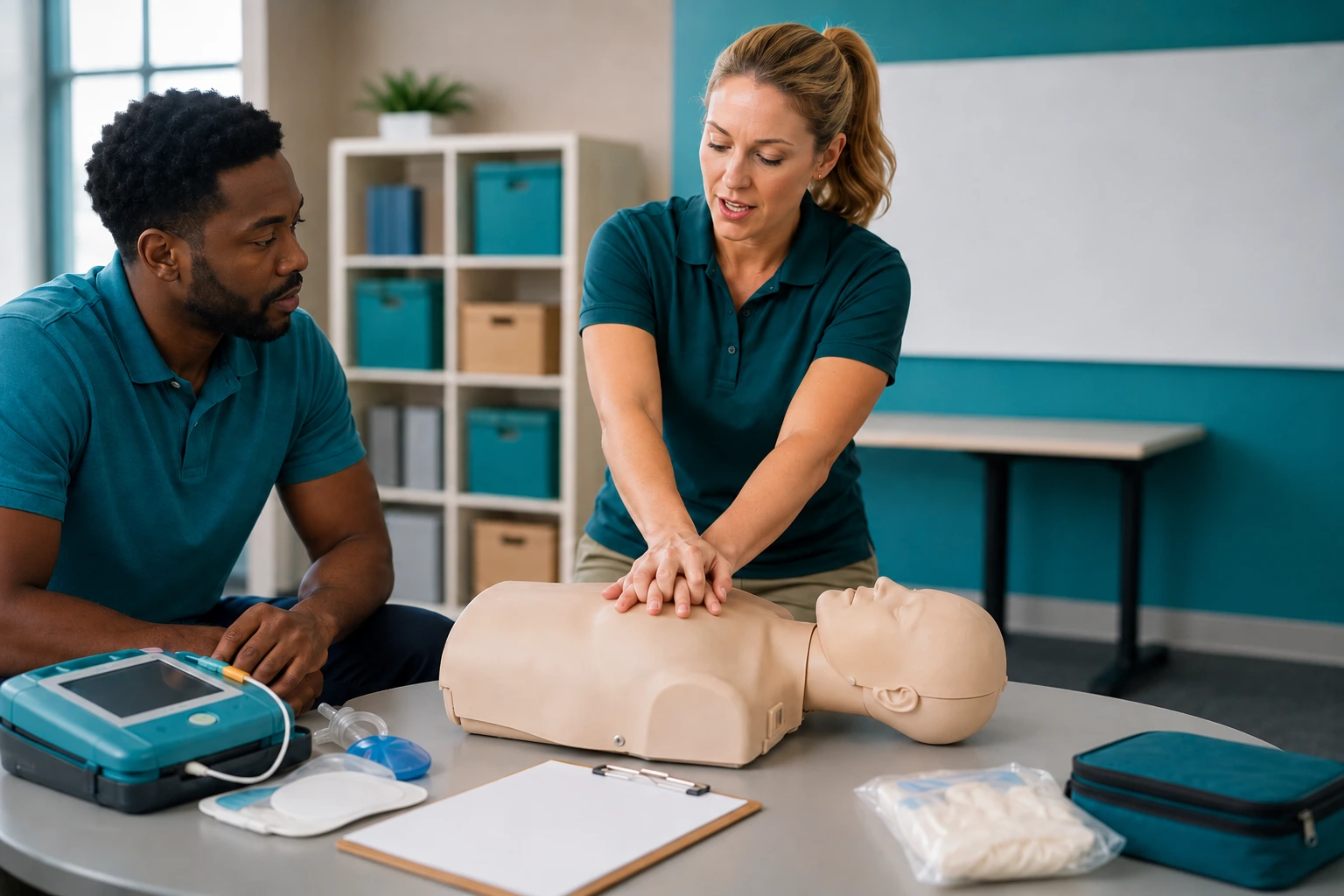
When emergency-response duties are part of your position, it is also useful to understand why BLS CPR certification matters for people working in healthcare and direct-care settings.
These courses serve different purposes. CMT training focuses on delegated medication responsibilities, while BLS CPR focuses on emergency-response preparation. The right combination depends on your workplace and the duties assigned to you.
What Should You Confirm Before Registering?
Before choosing a class, confirm that you meet the employment, age, reading, and math requirements. You should also ask how the course relates to your work setting, how clinical observation is arranged, and what documentation you will need for certification.
At Above The Rest Home Care, we can explain our current CMT course information, scheduling, and registration steps. Your employer and the Maryland Board of Nursing remain the appropriate sources for questions about workplace eligibility, delegation, and certification requirements.
Frequently Asked Questions
Is Clinical Observation Included in the 20 Hours?
No. Maryland identifies the 20 hours as classroom theory time. Simulated medication practice and clinical observation are additional training components.
Can You Enroll Before You Are Employed?
No. You must be employed in an eligible assisted living, school health, Juvenile Services, or Developmental Disabilities setting before entering the Maryland medication technician program.
Can a CMT Administer Medication Independently?
No. A CMT administers medication through delegation and under the supervision of a registered nurse.
Prepare for Medication Responsibilities in Your Role
Medication administration training gives you classroom instruction, simulated practice, and supervised experience connected to your workplace. It also helps you understand the documentation, communication, and role boundaries involved in delegated medication responsibilities.
Above The Rest Home Care provides the 20-hour CMT course for eligible employees preparing to take on these duties in Maryland.
Once you have confirmed that you meet the course requirements, you can inquire about our CMT class and other available training as you continue preparing for the responsibilities ahead.



Leave a Reply